
When to visit the coffee region: the weather month by month
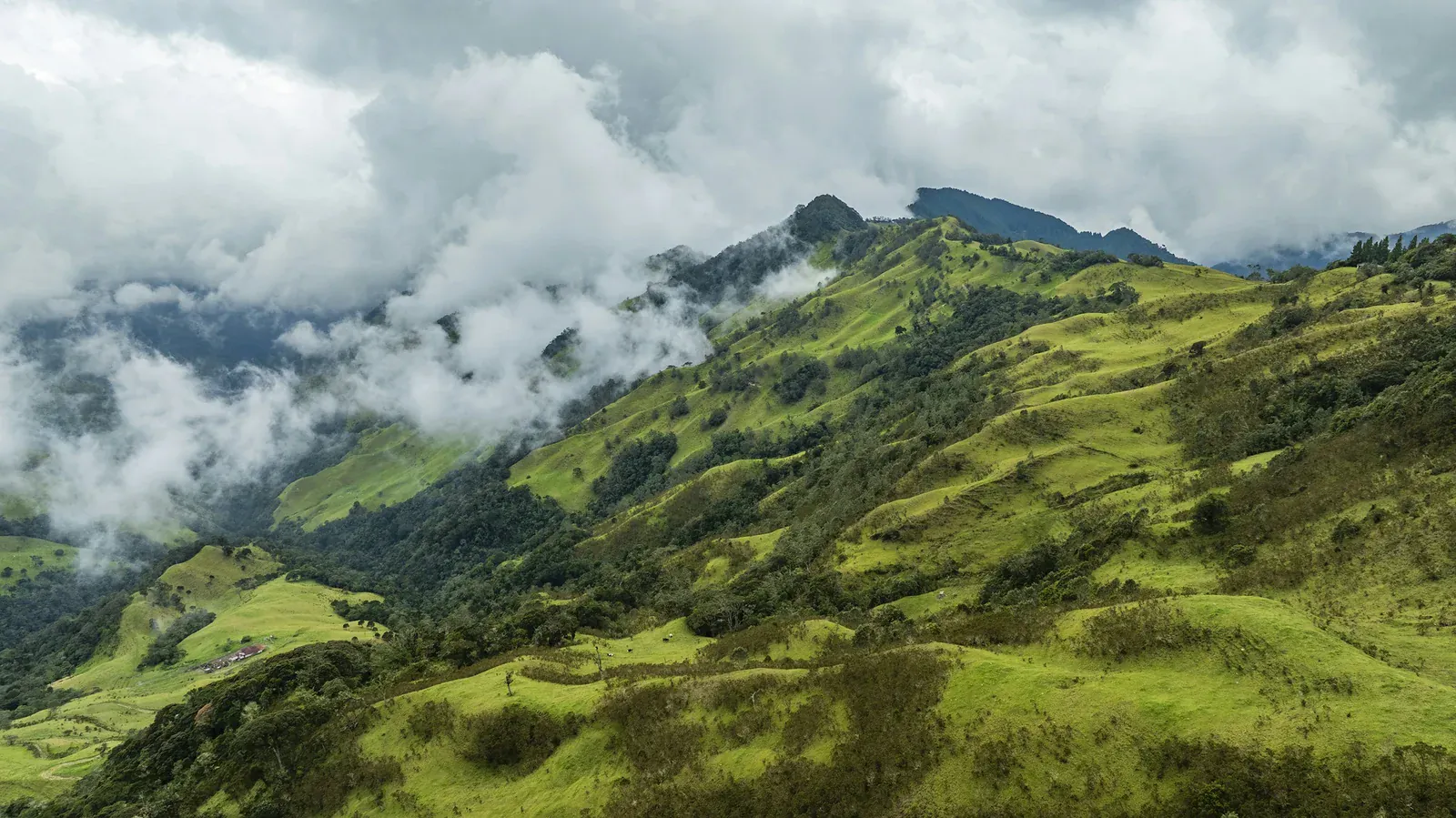
There is no real bad season in the coffee region: it is mild all year round and showers pass quickly. But depending on the month, you will get more sunshine, more coffee on the branches or more festivals in the villages. Here are our benchmarks, month by month, to help you pick your dates.
The coffee region’s climate in brief
The coffee region follows the rhythm of a tropical mountain climate: there is no winter or summer, but rather an alternation of wetter and drier seasons. Temperatures change little over the year: expect around 18 to 21 °C on average.
The calendar boils down to this:
- Two rainy seasons: from March to May, then from September to November.
- Two drier spells: from June to August, and in January and February.
“Rainy season” does not mean rain all day. Most often, the morning is fine, clouds build up during the day and a shower falls in the afternoon. That is also what keeps the hills so green.
Rainfall month by month
Here is the average rainfall recorded in Armenia, according to the climate normals of IDEAM (Colombia’s meteorological institute) for the period 1981 to 2010. Figures are rounded to the millimetre.
| Month | Average rainfall (mm) | In short |
|---|---|---|
| January | 166 | Fairly dry, high season |
| February | 138 | Fairly dry |
| March | 230 | Rainy season begins |
| April | 253 | Rainy season, mitaca begins |
| May | 204 | Rainy season, mitaca |
| June | 85 | Dry, festivals in Filandia and Calarcá |
| July | 68 | The driest month |
| August | 87 | Dry and sunny, village festivals |
| September | 141 | Rain returns, harvest begins |
| October | 254 | Wet, harvest, Armenia festivities |
| November | 313 | The wettest month, harvest |
| December | 222 | Harvest, end of year festivities |
Key takeaway: July and August are the driest and sunniest months, and November the wettest. But even in November, there are lovely mornings.
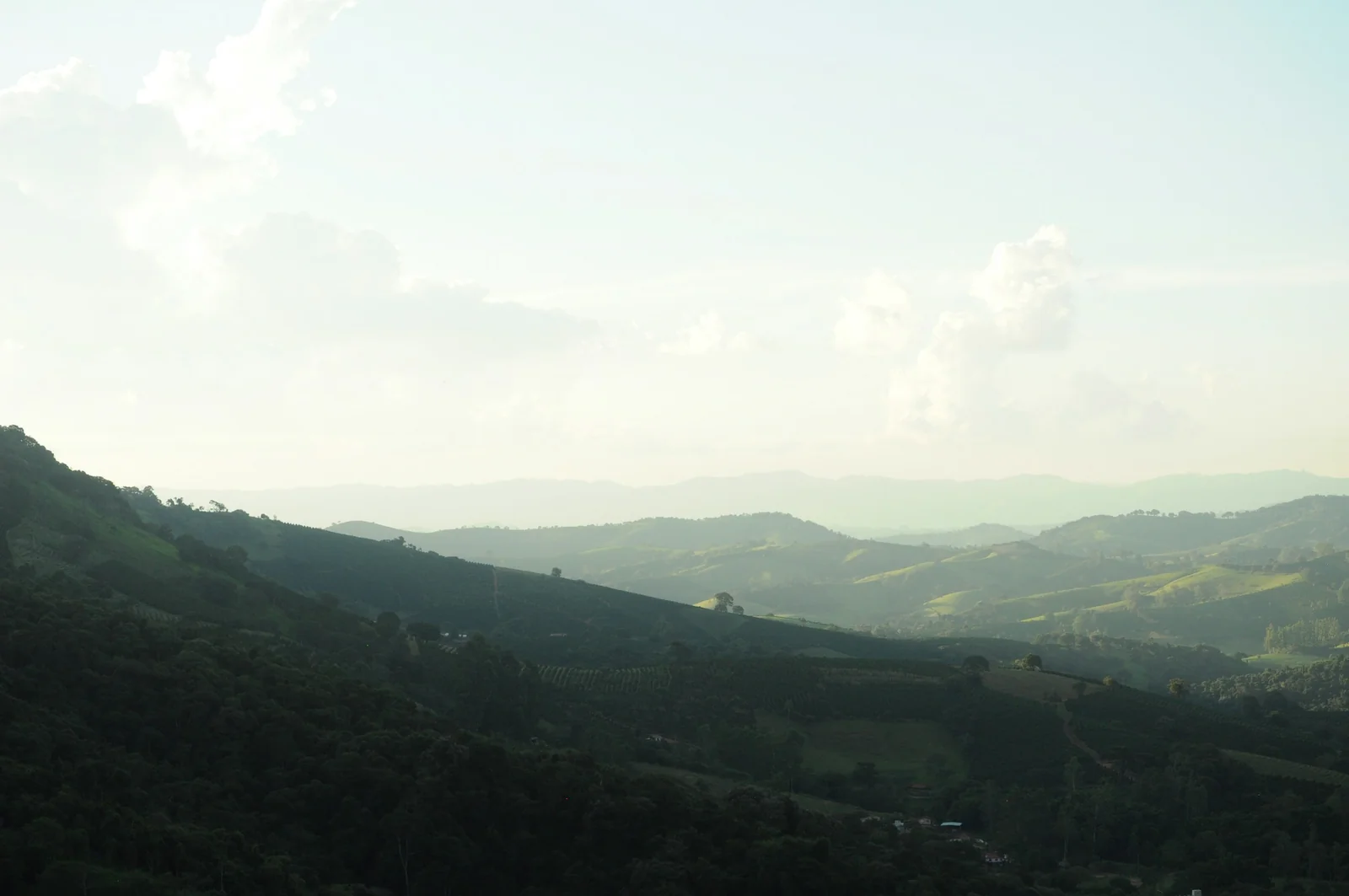
Should you avoid the rainy months?
Not necessarily. The wetter months have their upsides: the hills are a vivid green, the mist gives the wax palms their postcard look and, outside Colombian holidays, the villages are quieter. The rule is simple: head out early in the morning, keep the afternoon for a coffee on the square or a farm visit, and always carry a rain jacket. With a little flexibility in your plans, a shower will not spoil your day.
Altitude changes everything
In Quindío, temperature depends less on the month than on altitude. A few benchmarks:
- Quimbaya, at about 1,340 m: around 21 °C, the warmest of our starting points.
- Armenia, at about 1,480 m.
- Salento, at about 1,895 m: around 17 °C.
- Filandia, at about 1,910 m: around 18 °C.
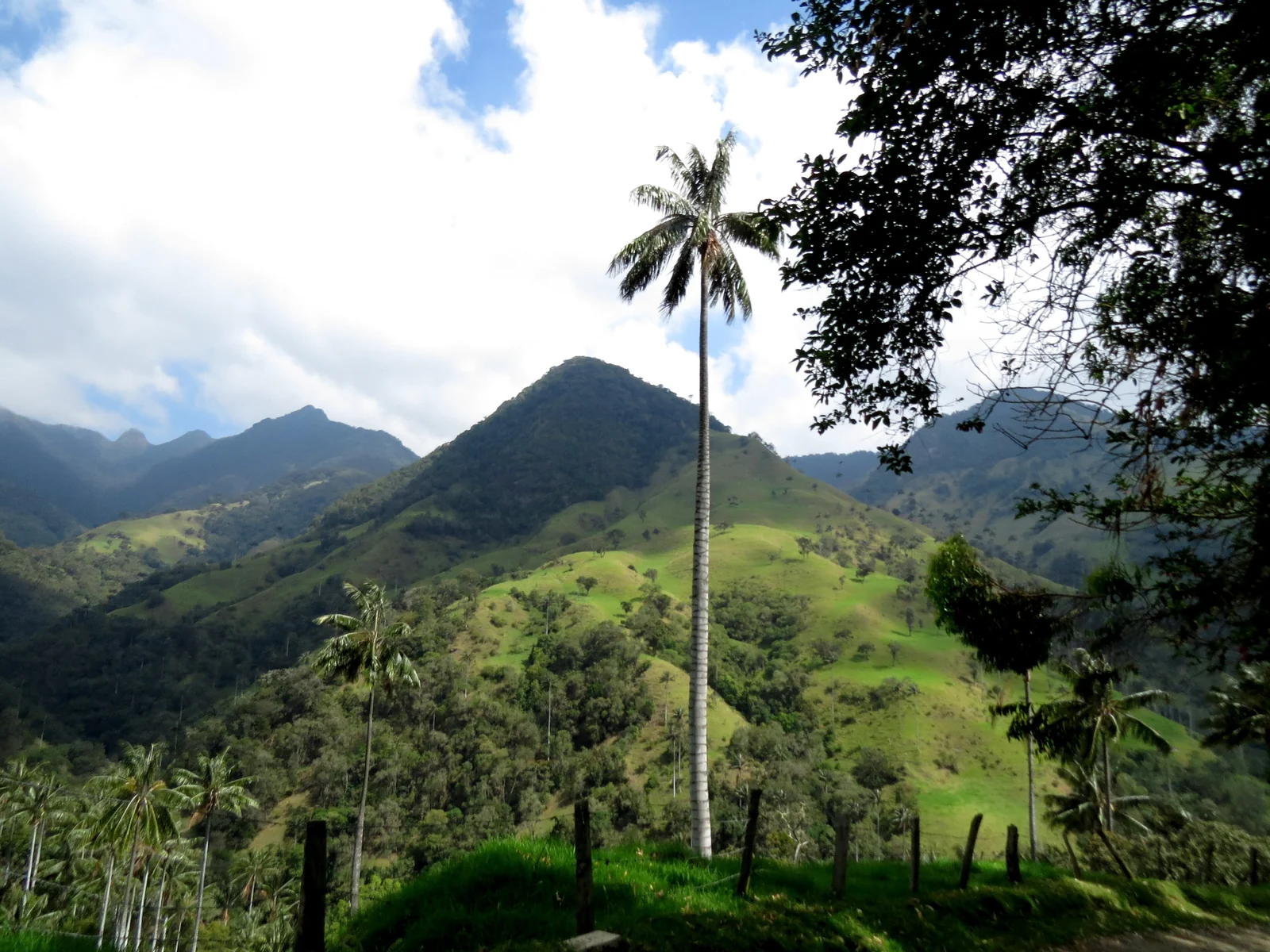
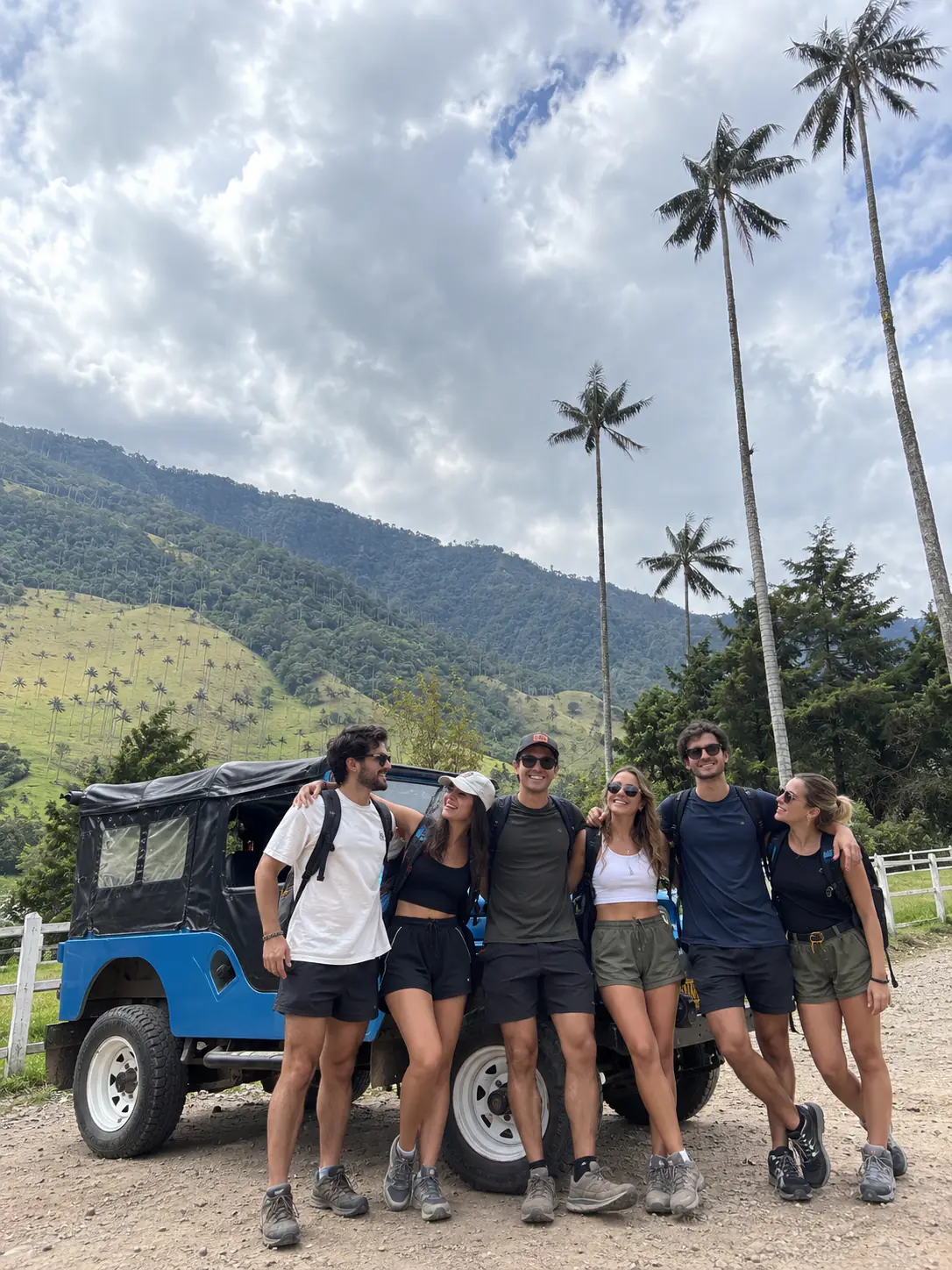
The higher you go, the cooler it gets. Even in the driest month, pack a jumper for the evening and a jacket for outings to the wax palms, such as the Cocora Valley or La Carbonera.
2026, an El Niño year
In 2026 the region is going through an El Niño episode: it is warmer and drier than usual, and some towns have water restrictions. For you, this often means fewer showers than the table above suggests. Simply be careful with water where you stay, and follow local guidance if there is any.
Seeing the coffee harvest
If you dream of seeing red cherries on the branches and pickers at work, choose your dates carefully:
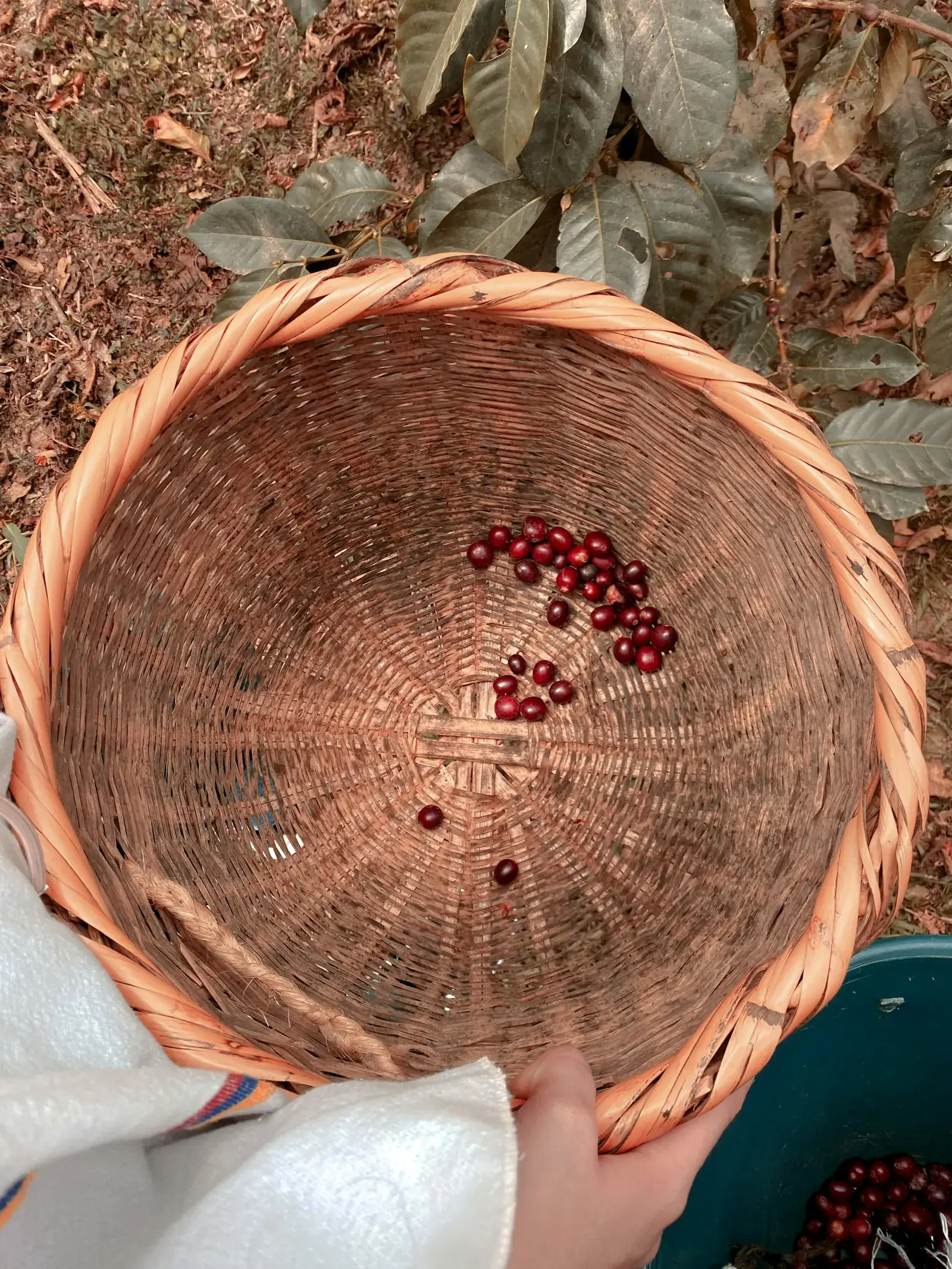
- The main harvest usually runs from late September to December.
- The mitaca, a smaller harvest, takes place from April to June.
These periods partly overlap with the rainy seasons: a little rain is part of the experience. A farm visit is possible all year, but harvest time is when you see the most activity. We cover this in our article on coffee farms near Salento.
Festivals not to miss
The festival calendar can also guide your choice:
- In June: the Fiestas del Canasto in Filandia, celebrating basketry, and the Fiesta Nacional del Café in Calarcá.
- In August: the anniversary festivities of Quimbaya and Filandia.
- In October: Armenia’s festivities and the Desfile del Yipao, the great parade of loaded Willys jeeps. To understand what these jeeps mean here, read our article on the Willys, the iconic jeep.
- On 7 and 8 December: Velas y Faroles in Quimbaya, when the town lights up with candles and lanterns.
Exact dates change from year to year: check with the town halls before building your trip around them.
High season: book early
Some periods are in high demand, especially during Colombian holidays:
- mid June to mid July;
- December and January;
- Holy Week;
- long weekends with public holidays;
- the October school break.
On these dates, accommodation in Salento and Filandia fills up fast, and so do the Willys. Our advice: book early, both your nights and your tours. If you are torn between two villages, our article Salento or Filandia: where to stay can help.
Outside these periods, the region is quieter, and you share the Cocora Valley with fewer people on weekdays.
So, when should you go?
It all depends on what you are looking for:
- The most sunshine: June to August, or January and February.
- The coffee harvest: October to December, or the mitaca in spring.
- Festivals: June, August, October or early December.
- Peace and quiet: outside Colombian holidays, ideally on weekdays.
Whatever the month, head out early for the palms: it is often the clearest time of day. Our Cocora + Salento tour is designed to enjoy the valley and then stroll around the village.
What to pack?
The same basics work all year round:
- a light rain jacket;
- a jumper for the evening, especially in Salento and Filandia;
- good shoes that can handle mud;
- sun cream and a hat: at altitude, the sun is strong even when it feels cool.
And keep some flexibility: with one spare day, you can move an outing if the sky is too heavy. To work out how many days to plan, read How many days in Colombia’s coffee region?. Good to know: we reschedule your tour free of charge if the road or site is closed, but the weather alone does not entitle you to a reschedule.
Frequently asked questions
What is the driest month in the coffee region?
July, followed by June and August. They are also the sunniest months, according to the IDEAM climate normals recorded in Armenia.
When can I see the coffee harvest?
The main harvest usually runs from late September to December. A smaller harvest, the mitaca, takes place from April to June.
Can I visit during the rainy season?
Yes. Showers often pass quickly and mornings are often clearer. Pack a rain jacket and keep some flexibility in your plans.
Do I need to book far in advance?
During high season (mid June to mid July, December, January, Holy Week, long weekends, the October school break), yes: book your accommodation and tours early.
Tours from this article
Plan your tour in a few taps, we confirm the date on WhatsApp.